


Thanksgiving is more than a holiday; it is a profound spiritual practice that transforms hearts and strengthens faith. Embracing gratitude allows believers to acknowledge God’s faithfulness, blessings, and provision in every area of life. A life rooted in thankfulness nurtures joy, resilience, and peace, even during challenging seasons. Through prayer, worship, and reflection, thanksgiving deepens trust in God’s guidance and aligns the spirit with His divine purposes. This article explores inspirational thanksgiving sermons, messages, and scriptures, offering practical ways to cultivate a lifestyle of gratitude, worship, and spiritual growth, ensuring believers experience God’s abundant blessings daily.
#1. The Foundation of a Thankful Life

Thanksgiving is a transformative practice that strengthens faith, heals emotional wounds, and fosters authentic gratitude. It empowers believers in wilderness seasons, cultivates a culture of thankfulness, deepens trust in God, and turns everyday moments into acts of worship. By remembering His past faithfulness, recognizing present blessings, and anticipating future promises, we experience joy, peace, and spiritual growth.
Point 1: Remembering God’s Past Faithfulness
Reflecting on God’s past faithfulness strengthens our gratitude and builds spiritual confidence. By remembering how God has guided, protected, and provided in previous challenges, we anchor our hearts in His reliability. Every answered prayer, every breakthrough, and every season of provision becomes a reminder of His unwavering love. Scripture encourages believers to recall these moments, as they become spiritual milestones that fortify our faith. When we reflect on divine intervention, we gain courage for present struggles and assurance for future endeavors. Remembering God’s faithfulness turns ordinary memories into powerful lessons, reinforcing trust, inspiring thankfulness, and shaping a resilient, hope-filled heart devoted to His purposes.
Point 2: Recognizing God’s Present Blessings
Acknowledging God’s present blessings cultivates a heart of constant gratitude. Often, we overlook the everyday gifts God provides—our health, relationships, opportunities, and the simple joys of life. By intentionally observing His provision, mercy, and favor, we transform ordinary moments into acts of thanksgiving. Scripture reminds us that recognizing present blessings strengthens spiritual awareness and encourages contentment, even amid challenges. Practicing mindfulness in God’s daily goodness trains our hearts to see abundance rather than lack. When believers focus on present blessings, they experience joy, peace, and renewed faith. Thankfulness in the moment deepens connection with God, inspires generosity, and nurtures a lifestyle of continual spiritual growth.
Point 3: Anticipating God’s Future Promises
Faithful gratitude extends beyond the past and present into God’s future promises. By trusting His plan, believers can give thanks for blessings not yet realized, knowing He will fulfill every word. Anticipatory gratitude reflects confidence in God’s faithfulness, love, and provision, strengthening hope during uncertain times. Scripture reassures us that God completes what He begins, and expecting His future favor cultivates perseverance and joy. Thanking God in advance for answered prayers, breakthroughs, and spiritual victories demonstrates radical trust in His character. Anticipating future blessings encourages steadfast faith, deepens spiritual resilience, and transforms everyday hope into active, prayerful thankfulness, shaping a heart fully aligned with His divine purpose.
#2. Thanksgiving as Spiritual Warfare
Thanksgiving is a powerful spiritual weapon that strengthens faith and shields the heart against negativity. Expressing gratitude invites God’s presence, empowers believers, and transforms challenges into opportunities for victory. By practicing intentional thankfulness, we actively resist the enemy’s schemes, embrace divine protection, and cultivate a life where joy, peace, and spiritual growth flourish even in difficult seasons.
Point 1: Gratitude Silences the Accuser
When we intentionally offer gratitude, it silences the enemy’s accusations and diminishes negativity in our hearts. Satan often seeks to instill doubt, fear, and complaint, whispering lies about our worth, circumstances, and even God’s faithfulness. However, lifting our hearts in thanksgiving affirms God’s sovereignty and overrides deception. Scripture teaches that acknowledging God’s goodness and mercy silences the voice of the accuser, replacing anxiety with peace and confidence. Every prayer of gratitude declares that God’s truth is greater than lies, reinforcing spiritual strength. Gratitude acts as a shield, guarding the mind and spirit, and demonstrating that faith anchored in thankfulness overcomes doubt, fear, and the enemy’s attempts to steal joy.
Point 2: Praise Releases God’s Power
Expressing thankfulness through praise opens the door for God’s miraculous intervention. Praise is not only an acknowledgment of His goodness but also a spiritual action that shifts the atmosphere around us. Biblical examples show that when believers thank God amidst battles or challenges, divine power is unleashed. Through songs, prayers, and acts of thanksgiving, God moves in ways that surpass human understanding, turning obstacles into opportunities for victory. When hearts focus on His glory rather than circumstances, God responds with favor, protection, and guidance. Continuous gratitude and praise cultivate an environment where faith flourishes, enabling God’s power to work actively in our lives and inspiring confidence in His perfect plan.
Point 3: Thanksgiving Breaks the Chains of Fear and Anxiety
Fear and anxiety are tools the enemy uses to immobilize believers and hinder God’s purposes. Yet thanksgiving has the power to break these chains, offering freedom and spiritual peace. When we approach God with hearts full of gratitude, even in the midst of uncertainty, His presence replaces worry with confidence. Scripture emphasizes presenting our requests to God with thankfulness, allowing His peace to guard our hearts and minds. By focusing on His past faithfulness, present provision, and future promises, we gain perspective that diminishes fear. Regular practice of thankfulness strengthens faith, nurtures resilience, and transforms challenges into opportunities for spiritual growth. Beyond emotional relief, gratitude reshapes thought patterns, replacing doubt and despair with hope, courage, and trust in God’s unwavering faithfulness. Believers who cultivate a lifestyle of thanksgiving discover that anxiety loses its power, fear dissipates, and spiritual strength emerges. In this way, thankfulness becomes both a defensive shield and an offensive weapon, equipping us to face life’s trials with confidence, joy, and peace that surpasses understanding.
#3. From Obligation to Overflow: Authentic Gratitude
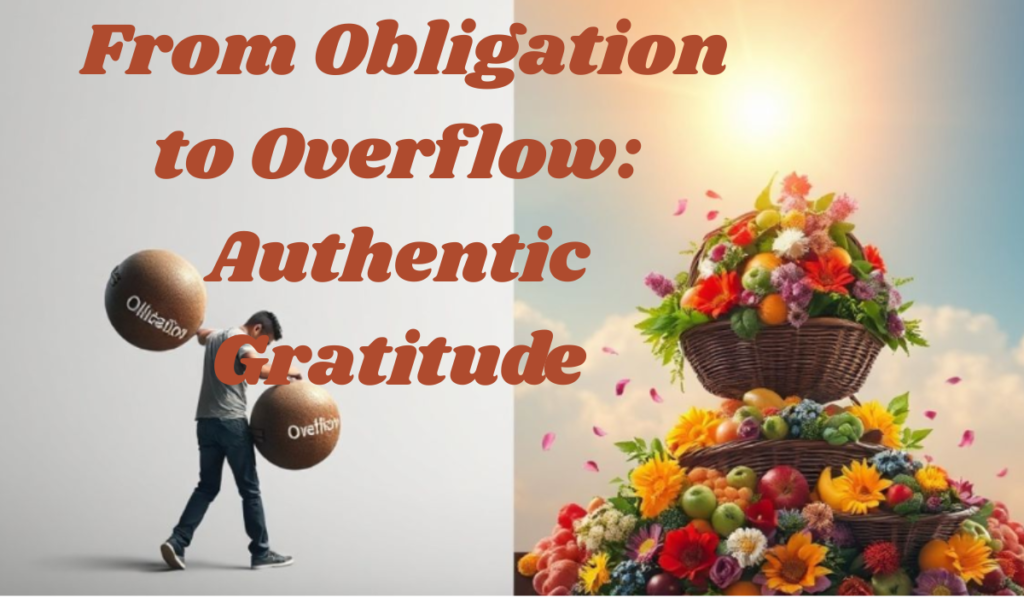
True thankfulness flows from the heart, not from mere obligation or routine. When gratitude is authentic, it transforms believers and impacts those around them positively. Moving beyond duty, we express deep appreciation that reflects genuine love for God. Authentic thanksgiving nurtures joy, inspires spiritual growth, and encourages a lifestyle where every action and thought acknowledges God’s goodness.
Point 1: Gratitude Born from Relationship, Not Religion
Authentic thankfulness stems from a personal connection with God, not simply following religious rituals. When believers experience God’s love, mercy, and guidance, gratitude becomes natural. Scripture reminds us that a heart intimately connected to the Creator produces sincere thanksgiving. Time spent in prayer, meditation, and worship strengthens this bond, ensuring that our gratitude is heartfelt rather than performative. A relationship-centered approach transforms daily acts, turning routine prayers into profound acknowledgments of His faithfulness, provision, and blessings, inspiring others to embrace a life of true spiritual appreciation.
Point 2: Gratitude That Costs Us Something
Genuine thankfulness often requires personal sacrifice, challenging believers to give beyond convenience or comfort. Whether it’s dedicating time to prayer, serving others, or sharing resources, such acts reflect authentic gratitude. Scripture illustrates that offering God our best—even when it requires effort—honors Him and strengthens our faith. Sacrificial thanksgiving refines the heart, deepens trust, and fosters humility. By valuing God’s blessings over personal comfort, believers demonstrate faithfulness in action. This intentional effort to express gratitude through sacrifice magnifies spiritual growth, builds resilience, and exemplifies the transformative power of truly heartfelt thankfulness.
Point 3: Gratitude That Multiplies Through Sharing
Authentic thankfulness naturally overflows, inspiring others and spreading joy. Sharing testimonies of God’s faithfulness, provision, and blessings multiplies the impact of gratitude, encouraging faith and hope in our communities. When believers openly express their appreciation, they become vessels of God’s love, promoting spiritual growth in others. Scripture emphasizes that recounting God’s goodness strengthens faith collectively. Overflowing gratitude fosters encouragement, deepens connections, and reinforces a culture where everyone witnesses God’s presence. Through sharing, thanksgiving evolves from personal practice to communal blessing, demonstrating that authentic thankfulness transforms both the individual and the broader spiritual environment.
#4. The Healing Power of Thanksgiving
Gratitude is more than a spiritual exercise; it brings emotional, relational, and physical restoration. Practicing thanksgiving allows God’s peace to mend wounds, restore hope, and strengthen hearts. When believers embrace thankfulness, even amid pain, they invite divine healing into every area of life, experiencing wholeness and renewed spiritual strength.
Point 1: Thanksgiving Heals Emotional Wounds
Offering thankfulness even during pain helps release bitterness and resentment, opening hearts to God’s restoration. Scripture reminds us that God heals the brokenhearted, and gratitude shifts focus from suffering to His presence. Recognizing God’s faithfulness, mercy, and comfort restores emotional resilience. Through intentional thanksgiving, believers process grief, forgive past hurts, and cultivate inner peace. Gratitude reframes challenges as opportunities for growth, allowing God’s love to mend brokenness. As hearts acknowledge His provision, emotional wounds are softened, hope is renewed, and spiritual confidence deepens, demonstrating that thankfulness is both a practice of healing and a pathway to divine restoration.
Point 2: Thanksgiving Restores Broken Relationships
Expressing gratitude strengthens and reconciles relationships by shifting focus from faults to blessings. Thanking God for people in our lives—even those who have caused pain—encourages forgiveness and grace. Scripture emphasizes kindness and compassion, and heartfelt thanksgiving nurtures reconciliation. Recognizing God’s influence in relationships fosters humility, empathy, and understanding. Gratitude creates an environment where communication and trust can flourish, turning tension into healing. By practicing relational thankfulness, believers honor God, restore connections, and foster community. This deliberate focus on appreciating others’ value, coupled with prayerful reflection, transforms strained relationships into testimonies of God’s love, forgiveness, and enduring blessings.
Point 3: Thanksgiving Brings Physical and Mental Well-Being
Scientific research confirms what Scripture teaches: gratitude positively impacts overall well-being. Practicing thanksgiving reduces stress, enhances mental health, and strengthens physical resilience. A heart focused on God’s provision and blessings fosters joy, optimism, and peace, improving daily functioning. Gratitude enhances sleep, lowers anxiety, and encourages healthier habits. By acknowledging God’s faithfulness through prayer, believers cultivate emotional stability, spiritual contentment, and a sense of purpose. Consistent thankfulness aligns the mind, body, and spirit, promoting holistic health. When thanksgiving becomes habitual, God’s peace transcends challenges, resilience grows, and life becomes more fulfilling. Spiritual, emotional, and physical wellness are amplified through a lifestyle of intentional gratitude and praise.
#5. Thanksgiving in the Wilderness Seasons

Even during challenging or uncertain times, thankfulness empowers believers to remain steadfast. Life’s wilderness seasons test faith, patience, and perseverance, yet gratitude transforms struggles into opportunities for growth. By recognizing God’s presence in difficulties, believers cultivate resilience, strengthen spiritual insight, and embrace a hopeful perspective. Thanksgiving in hardship becomes an act of faith, demonstrating trust in God’s unwavering love and provision.
Point 1: God Is Present in the Wilderness
In seasons of uncertainty, God’s presence remains constant. Scripture reminds us that He walks with us through trials, challenges, and wilderness moments, guiding, protecting, and preparing for future blessings. Practicing thankfulness during these times strengthens faith and affirms that God is working behind the scenes. Recognizing His provision even in hardship turns moments of struggle into spiritual milestones, cultivating perseverance and deeper reliance on His wisdom and guidance.
Point 2: The Wilderness Reveals What’s in Our Hearts
Difficult seasons expose the true condition of our faith. Maintaining gratitude during trials demonstrates authenticity and trust in God’s character and promises. The wilderness tests patience, humility, and dependence on divine guidance. By intentionally practicing thankfulness, believers align their hearts with God’s purposes, focusing on growth rather than comfort. Gratitude in these moments strengthens resilience, clarifies priorities, and nurtures a spirit that seeks God’s will above all, proving that faith anchored in thankfulness thrives even under pressure.
Point 3: The Wilderness Prepares Us for Promise
Trials are preparation for future blessings. Thanksgiving during wilderness seasons equips believers with spiritual maturity, wisdom, and endurance. Scripture highlights how God uses challenges to refine character, produce perseverance, and build hope. Gratitude enables believers to cooperate with God’s plan, recognizing that obstacles are not delays but steps toward fulfillment. By celebrating God’s presence and provision even in hardship, thankfulness transforms waiting periods into periods of growth, shaping hearts ready to receive His promises with faith, confidence, and spiritual joy.
#6. Cultivating a Culture of Gratitude
Thankfulness should extend beyond personal practice, influencing families, communities, and churches. When believers actively model gratitude, it inspires others to embrace thanksgiving as a spiritual lifestyle. A culture of thankfulness promotes encouragement, strengthens relationships, and nurtures faith in collective environments. By consistently practicing gratitude, believers create spaces where God’s presence is experienced, joy multiplies, and spiritual growth flourishes.
Point 1: Lead by Example in Your Home
Modeling thankfulness in the home sets the foundation for a culture of gratitude. Sharing daily blessings, acknowledging God’s provision, and expressing appreciation to family members fosters an atmosphere of joy, faith, and spiritual awareness. Children and household members learn gratitude through example, not merely instruction. This intentional practice strengthens relational bonds, encourages prayerful reflection, and cultivates hearts attuned to God’s faithfulness, mercy, and love, ensuring that the family environment consistently reflects spiritual growth.
Point 2: Practice Corporate Thanksgiving in Your Church
Church gatherings provide an opportunity to multiply gratitude collectively. Shared testimonies, prayer, and worship amplify thanksgiving, creating a spiritually rich atmosphere where faith thrives. Corporate thankfulness encourages communal encouragement, strengthens unity, and magnifies God’s presence. When congregations intentionally practice gratitude together, it fosters a culture of support, spiritual growth, and lasting joy, allowing members to experience the power of collective acknowledgment of God’s blessings, mercy, and guidance.
Point 3: Extend Gratitude into Your Community
A culture of thankfulness extends beyond personal and church life into neighborhoods, workplaces, and communities. Recognizing God’s provision in interactions with others spreads hope, encouragement, and inspiration. Gratitude in action—through kindness, patience, and service—demonstrates faith in God’s guidance and cultivates spiritual influence in wider circles. When believers consistently practice thanksgiving, their communities experience encouragement, strengthened relationships, and testimonies of God’s faithfulness and love, proving that authentic gratitude has the power to transform not only individuals but entire environments.
#7. The Connection Between Thanksgiving and Trust
Gratitude and trust are inseparably linked. When believers express thankfulness, it reflects confidence in God’s character and deepens spiritual reliance. Conversely, trusting God enables continuous gratitude even in uncertain circumstances. This dynamic strengthens faith, nurtures peace, and produces a resilient spirit capable of facing life’s challenges with hope.
Point 1: Thanksgiving Demonstrates Faith in God’s Character
Every act of gratitude affirms God’s goodness, faithfulness, and sovereignty. Thanking Him in both abundance and difficulty communicates trust in His promises. Scripture highlights that consistent thankfulness reflects belief in divine provision, protection, and guidance. Gratitude thus becomes a declaration of faith, reinforcing trust and spiritual maturity, demonstrating that the heart that gives thanks is confident in God’s unchanging character and love.
Point 2: Trust Allows Us to Thank God Before We See the Answer
Faithful believers practice thanksgiving even before witnessing outcomes, trusting God’s timing and plan. Thanking Him in advance for answered prayers, breakthroughs, or blessings strengthens spiritual confidence and patience. Anticipatory gratitude nurtures hope, transforms waiting periods, and affirms belief in God’s wisdom, power, and mercy. Through this practice, trust and gratitude reinforce each other, creating a heart anchored in faith, ready to embrace God’s future provision and guidance.
Point 3: Thanksgiving Releases Worry and Anxiety
Expressing gratitude alleviates fear and stress by focusing on God’s provision and protection. When believers cultivate thankfulness, they experience peace that surpasses understanding. Scripture emphasizes presenting requests to God with thanksgiving, which frees the heart from anxiety. A lifestyle rooted in thankfulness replaces doubt with hope, empowering believers to face challenges confidently. Gratitude strengthens trust, aligns the mind with God’s promises, and produces spiritual resilience. By embracing consistent thanksgiving, believers release worry, deepen faith, and cultivate a heart that rests fully in God’s unchanging love, care, and faithfulness.
Thanksgiving Sermon by Pastor Adeboye
Believers are called to live a life of thanksgiving in every circumstance, recognizing God’s faithfulness, blessings, and provision. Scripture reminds us in 1 Thessalonians 5:18 to “Give thanks in all circumstances; for this is God’s will for you in Christ Jesus.” Pastor Adeboye often illustrates that gratitude opens doors for miracles, just as Daniel’s prayer of thankfulness in exile brought divine favor despite adversity. By reflecting on God’s past faithfulness, appreciating His present blessings, and trusting His future promises, our hearts overflow with worship and joy. Practically, believers can cultivate thanksgiving through daily prayers, journaling God’s provision, and sharing testimonies of His goodness. Living with intentional gratitude strengthens faith, releases peace that surpasses understanding, and inspires others to trust God’s wisdom, mercy, and love. Conclude every day by acknowledging His divine provision, making thanksgiving not just a practice, but a lifestyle of worship.
Point 1: Remember God’s Faithfulness in the Past
Thanksgiving begins with reflection on God’s faithfulness, provision, and guidance throughout our lives. Every answered prayer, divine protection, and past breakthrough reminds believers of God’s unwavering love. By remembering God’s faithful works, we strengthen our faith for today’s challenges and cultivate a heart of gratitude that overcomes doubt and despair. Scripture teaches that recalling God’s past blessings anchors hope and fortifies trust in His wisdom and mercy. When we meditate on how God has consistently provided, delivered, and preserved, our hearts overflow with thankfulness, inspiring worship and obedience. Past experiences of God’s goodness equip us to face trials with confidence, knowing He remains faithful to fulfill His promises.
Point 2: Appreciate God’s Present Blessings
True thanksgiving requires recognition of God’s current blessings, grace, and favor. Every day brings opportunities to see His hand at work—in relationships, health, employment, and provision. By expressing gratitude for present gifts, believers nurture joy, contentment, and spiritual awareness. Scripture emphasizes giving thanks in all circumstances, as it aligns hearts with God’s will and purpose, producing peace that surpasses understanding. Focusing on today’s blessings strengthens faith and encourages believers to trust God’s continuous provision and guidance. Practicing active gratitude turns ordinary moments into spiritual celebrations, demonstrating obedience and reverence. When hearts remain attentive to God’s mercy, care, and love, our worship becomes genuine, overflowing with thankfulness that inspires others to acknowledge His presence in their lives.
Point 3: Trust God for Future Promises
Thanksgiving is incomplete without faith in God’s future provision, plans, and promises. Believers express confidence that God will fulfill His word, answering prayers, providing breakthroughs, and manifesting blessings yet unseen. Scripture encourages anticipatory gratitude, reminding us to give thanks even before outcomes are visible. This faith-filled thanksgiving deepens trust, strengthens patience, and fosters hope amid challenges. By trusting God’s wisdom, love, and faithfulness, believers remain steadfast, knowing His timing is perfect. Anticipatory gratitude transforms anxiety into peace, fear into confidence, and uncertainty into assurance. When we thank God for what is coming, our hearts align with His divine plan, cultivating resilience, spiritual maturity, and a continual lifestyle of worship, praise, and thanksgiving.
#8. Thanksgiving as a Lifestyle of Worship

Thanksgiving is not meant to be occasional or seasonal; it is a continual expression of worship and gratitude. When believers cultivate a heart of thankfulness, every moment, action, and relationship becomes an offering to God. A lifestyle of thanksgiving transforms mundane routines into spiritual opportunities, deepens faith, and magnifies God’s presence in daily life. Living with intentional gratitude nurtures joy, strengthens spiritual resilience, and inspires others to honor God in their own lives.
Point 1: Every Moment Becomes an Opportunity for Worship
When we approach life with thankfulness, ordinary activities become acts of worship. Scripture reminds us to rejoice always and give thanks in all circumstances. Each breath, meal, work assignment, or interaction can be a moment to acknowledge God’s blessings, guidance, and mercy. Practicing gratitude in every moment cultivates spiritual awareness, transforms perspective, and encourages believers to live intentionally, honoring God through both action and attitude. Thankfulness shifts focus from routine to sacredness, allowing even simple tasks to glorify God and reflect a heart fully devoted to His purposes.
Point 2: Our Work Becomes Our Worship
Daily responsibilities, whether at home, workplace, or ministry, can be infused with thankfulness and purpose. By offering our work to God through intentional gratitude, every effort becomes an act of spiritual worship. Scripture emphasizes working wholeheartedly, not for human approval, but as service to the Lord. When believers view their labor as a platform for thanksgiving, stewardship, and divine honor, ordinary tasks are transformed into expressions of faith, aligning daily actions with God’s will. Gratitude transforms duty into devotion, producing spiritual fruit while glorifying God in both visible and unseen ways.
Point 3: Our Relationships Become Reflections of God’s Love
Living a lifestyle of thanksgiving extends to how we value and treat others. By appreciating God’s provision in relationships, believers model compassion, forgiveness, and love. Scripture calls us to give thanks for every person and circumstance, turning interactions into opportunities to reflect God’s mercy, grace, and faithfulness. Expressing gratitude in relationships strengthens bonds, promotes harmony, and multiplies spiritual influence. When hearts overflow with thankfulness, believers radiate God’s love, making connections an extension of worship and transforming communities into environments where faith, joy, and divine purpose flourish.
Closing Thoughts
As we reflect on the power of thanksgiving, one truth is clear: living a life of gratitude is essential for spiritual growth, joy, and peace. Thankfulness is not merely a seasonal practice but a lifelong lifestyle that transforms hearts, strengthens faith, and amplifies God’s presence in every situation. By intentionally embracing gratitude, believers invite divine blessings, deepen trust in God’s provision and guidance, and cultivate resilience during life’s trials.
When thanksgiving becomes our daily practice, it reshapes perspective, turning challenges into opportunities for spiritual growth. Every act of thankfulness, from worship and prayer to acknowledging God’s faithfulness and mercy, strengthens relationships, fosters community, and inspires others to honor God. A heart anchored in gratitude sees blessings even in difficulty, releases fear and anxiety, and experiences profound peace.
Ultimately, a life rooted in thanksgiving reflects authentic faith, aligns our spirit with God’s purposes, and multiplies His love in the world. Let us commit to living with constant gratitude, allowing every breath, word, and action to glorify God. May our lives overflow with thankfulness, worship, and joy, creating ripples of faith, hope, and blessings that impact families, communities, and generations to come.
Frequently Asked Questions
Q1: What is a good sermon to preach for thanksgiving?
A good thanksgiving sermon emphasizes gratitude, God’s blessings, and faithfulness, inspiring believers to reflect on His provision and mercy.
Q2: What is the powerful message of thanksgiving?
The powerful message of thanksgiving highlights heartfelt gratitude, spiritual growth, and God’s faithfulness, encouraging a lifestyle of joyful praise and trust.
Q3: What is the three-point sermon on thanksgiving?
A three-point Thanksgiving sermon focuses on remembering God’s faithfulness, appreciating present blessings, and trusting future promises, making gratitude practical and memorable.
Q4: What scriptures are suitable for thanksgiving sermons?
Suitable thanksgiving scriptures include 1 Thessalonians 5:18, Psalm 100:4, and Luke 17:15-16, emphasizing gratitude, worship, and God’s provision.
Q5: How can I make my Thanksgiving sermon unique?
Make your Thanksgiving sermon unique by sharing personal testimonies, practical applications, and heartfelt prayers, blending scripture with real-life expert
Final Thoughts
Living a life of thanksgiving is essential for spiritual maturity, emotional resilience, and relational harmony. When believers practice intentional gratitude, they cultivate faith, trust, and joy, reflecting God’s provision, mercy, and love in every circumstance. Thankfulness transforms ordinary moments into opportunities for worship, strengthens communities, and inspires others to honor God. By embracing a consistent attitude of gratitude, believers release worry, deepen spiritual growth, and experience peace that surpasses understanding. Let every prayer, action, and interaction be infused with thanksgiving, worship, and appreciation, creating ripples of faith, blessings, and divine favor that extend to families, churches, and communities alike.
